

Mysore
Mysore
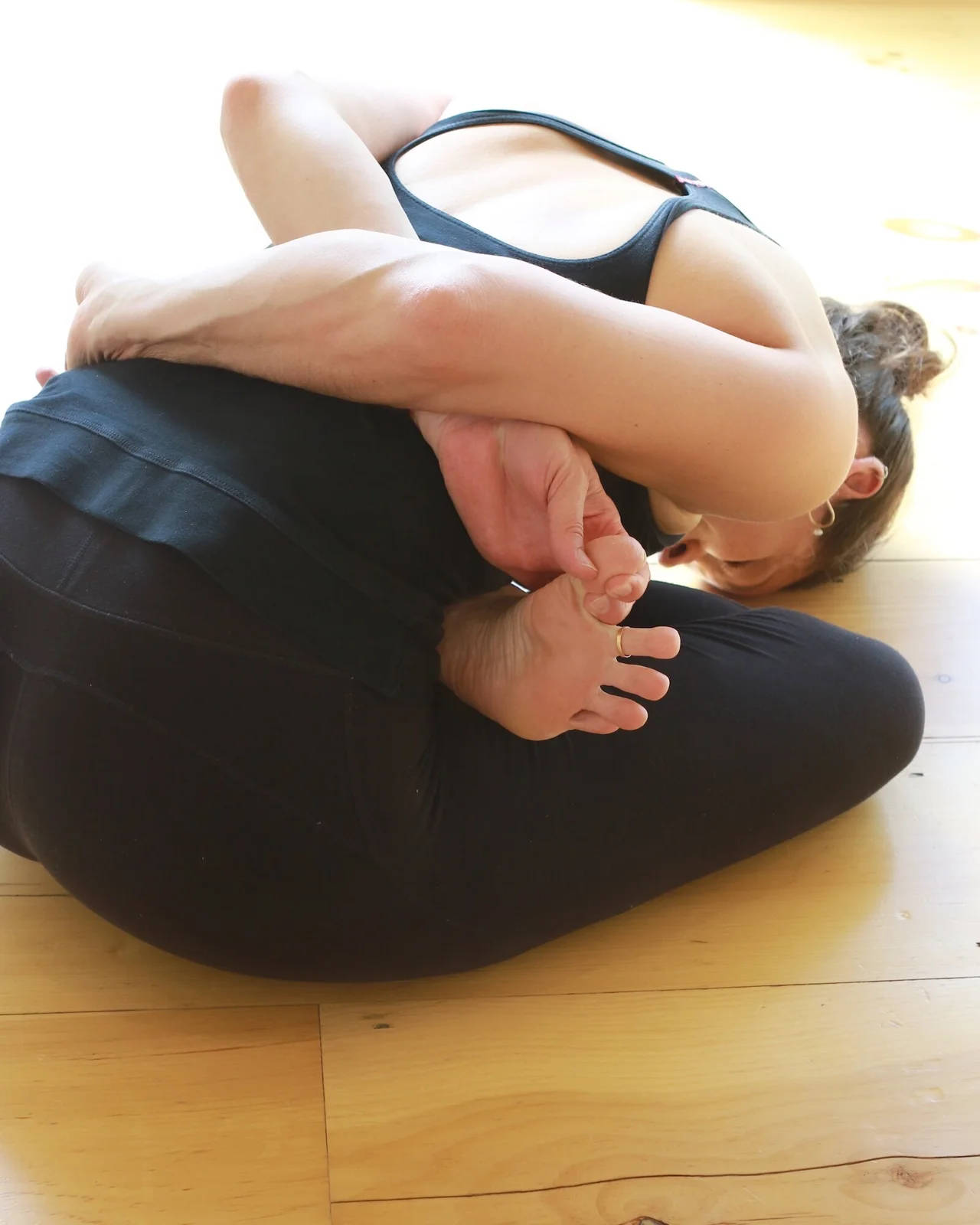
Mysore practice is the traditional, self-paced method of practicing and learning Ashtanga Vinyasa Yoga, named after the city of Mysuru (Mysore) in India where the lineage was developed by Sri K. Pattabhi Jois. How It Works • Self-Paced Sequence: Students practice a set sequence of postures independently, moving at the rhythm of their own breath rather than following a teacher's universal cues from the front of the room. • One-on-One Instruction: Although students practice side-by-side in a shared room (often called a shala), the teacher circulates to offer individual guidance, verbal adjustments, and hands-on physical assists. • Gradual Progression: You do not learn the entire sequence at once. A student begins with a small portion (such as the opening Sun Salutations and a few standing poses) and the teacher incrementally "gives" or assigns new postures only as the student builds the strength, stamina, memory, and breath control to handle them. Key Characteristics • No Teacher Calling the Class: There is no instructor shouting out instructions or counting vinyasas for the group; the room remains relatively quiet, filled with the sound of ujjayi breathing. • Flexible Arrival: Practitioners typically arrive and start their practice within a designated window of time rather than a rigid start-to-finish hour. • The Traditional Routine: A standard practice takes place six days a week, with rest days on Saturdays or Sundays, as well as rest on full and new moon days.
30% discount for residents and workers in Tarifa